


Why plant grass when you can have this instead?
So glad to see that other people are letting nature take its course.



 The Walkable City: From Haussmann's Boulevards to Jane Jacobs' Streets and Beyond


So glad to see that other people are letting nature take its course.

The other name for this in English is Dutchman's britches, or so my grandmother told me. In French it's sometimes also called the equivalent, coeur saignant, but using its botanical name, dicentra, is pretty nice too.
I love the way it emergences from the ground as soon as the weather warms up, and wihtin a week is knee high and in bloom.

The arrondissement planted a lot of bulbs last fall in curb extensions and they're looking great these days. But here it looks like somebody just dumped some bulbs...or did they? Usually if you don't bury them critters like squirrels will eat them.
Whatever, these have survived and are looking splendid when things are only part way to greening up.

The male


And today I have sunshine in the form of sunflowers in my kitchen. So nice to see these reflections of the Sun inside...
Very cheerful in this world full of far more somber things.


And this, it appears, is the end of the rink for this year. A little ice left, true, but you need rain boots instead of skatkes. The neighborhood squirrels have discovered it, too. I saw one perched on the edge, leaning over to get a drink one afternoon.

I'm afraid this is the new normal... Climate change is upon us.

Usually they arrive the third week in March, but obviously they got the word that things will be a little different this year and came north to check out their nesting ground.
Climate change!


It's been a hard winter here for people who like winter sports. There has been some snow but the temperature has gone up and down and the outdoor ice rinks have suffered. This weekend looks like it will be one where folks can have some fun.


Good to have double vision on these days when it is cold, but the world is growing hotter...

Nice to see the moon for a change, although as you can see it's waning. Full moon January 25: hope there will be clear skies so we can enjoy the spectacle.


Here's a link to my Christmas blog, in which there is much about stars...including the sun. https://soderstromyule.blogspot.com/

This morning at the Lachine Rapids, it was chilly and windy, but the terempuerature was above freezing. Nevertheless, there was a thin layer of ice on part of the pond, enough to support a few gulls, and to interfere with the reflections of the trees surrounding it.
There is a message there, I'm sure, but it's been a busy couple of days and I can't entertain any weighty thoughts at all... It's like my brain as is frozen as that still portion of pond.


Except...except people fight back with flowers in windows. These geraniums were peeking out from a window in le Vieux Québec the last time we were there. A brave and cheering sight.


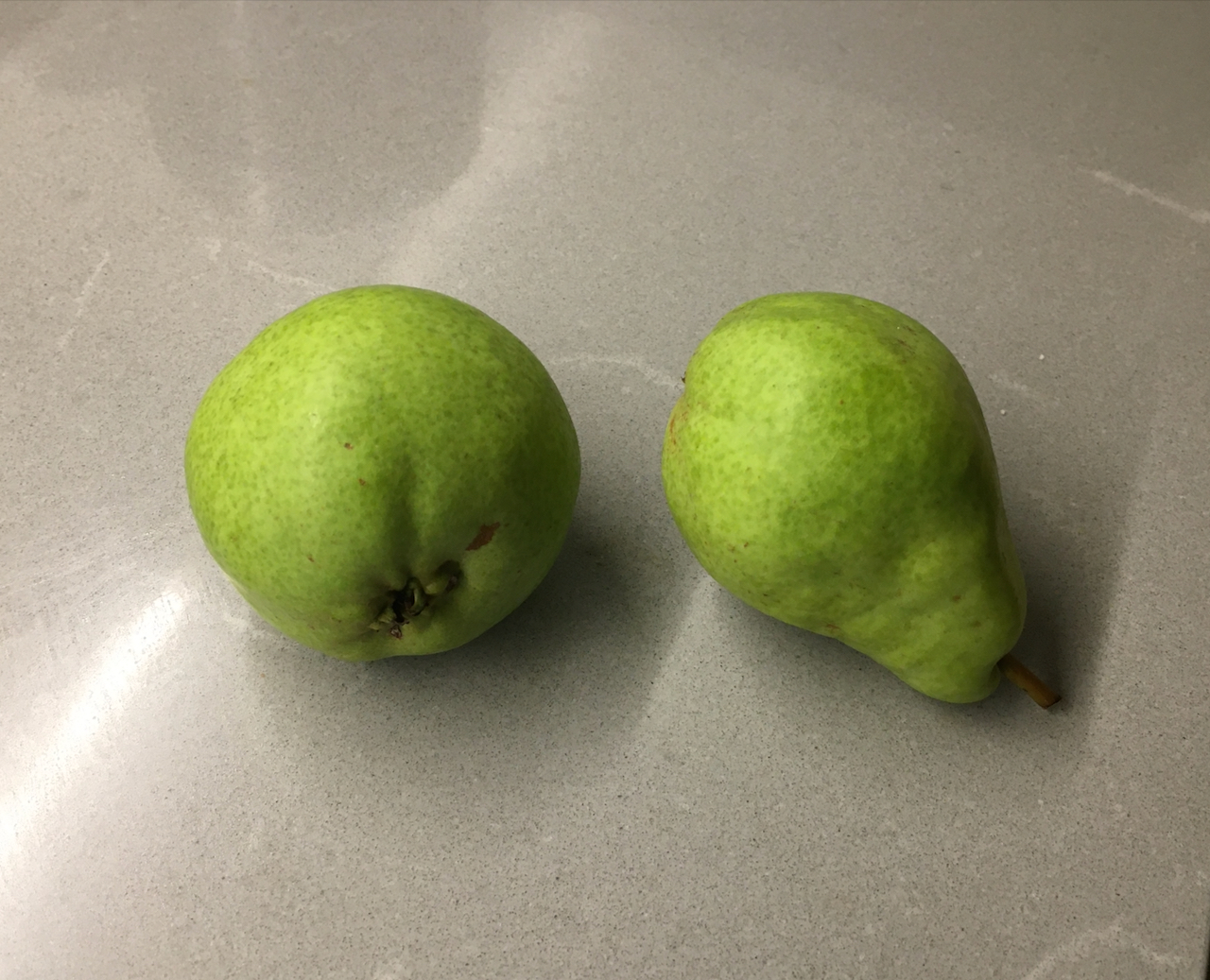
It was a bad year for pears in out little garden--only three after the squirrels got to them--but the grape vine, which is a volunteer one growing out of our compost heap, had lots of grapes.
They aren't very good to eat because they don't have much flesh, the seeds are big, and the taste is sour. But obviously that hasn't stopped the cardinals from feasting.
That we have cardinals at all in the backyard is something new, and probably the result of climate change. Twenty years ago they were a rare sight in the neighborhood but now are rather frequent visitors.
I have, as you might imagine, mixed feelings about this. Nice to see the birds, but not happy about what their presence indicates.


I've been asked by a couple of websites that gives suggestions for reading to create a list or two.
Here's the one on BookList:


But it's gone. After a call to the borough, a crew came and took it down. I didn't see that happen, but I admire the moxie that it must take to wrangle with wasps.
Of course, the beasties have a right to live among us, but just not close that our worlds collide. Saw another nest this morning about a block away: wonder if they just moved house...

The nest would appear to be in good shape, so I hope that it was home to a successful family of birdlings this summer. Would that it were so easy to house the many folks who these days are having a hard time finding a place to stay. (Almost said "keeping a roof over their heads," but looks like the only "roof" was Mom or Dad's body during the nesting time.)


Will be interesting to see if one of these species dominates the others. I'd like to think that the goldenrod will triumph, but we'll see.

Despite Beatrice Potter and the Tale of Peter Rabbit, the beasties don't seem to like gardens in my part of the city. Racoons, skunks and squirrels, yes. Ditto the occasional marmot. But I think rabbits likea more unkempted landscape, or one that has only been wrested from wildness (or re-wildness)
Elin reports that thre have been rabbit sightings in Cité Angus, which has only recently been built on an old brownscape that had got pretty overgrown. Wonder how long they'll last...
 |

The result is a host of hostas all around. This last week the ones in the sun have been a their peak, while the ones in the shade are striving to catch up. What a great flower--holds its own again invasives, will survive even if not watered well, and for a couple of weeks in mid-summer it flowers are showy and abundant.

Clover is good for the soil, as its roots carry nitrogen-fixing bacteria. It is resistant to traffic, and when in bloom it is very pretty. Therefore seeing it in abundance does the spirit good.
Has the clover always been there, but has been mowed before it flowers? Could be that the chat about how it's good to wait to mow in order to leave flowers for bees early in the season when there are not too many things in bloom has had an effect.
Don't know, but like the trend....
Taking a break this week because our youngest grandchild came for a visit. Lots of activity, and no time to think blog.


Cette année je ne sorte pas mon drapeau de Québec pour la Fête nationale, que j'ai affiché sur mon balcon depuis 30 ans. Pour quoi ? Parce que je suis profondément déçue par le gouvernement actuel qui semble d'avoir l'appui de la grande majorité des Québécois.es
Par le passé, j'avais chicané avec des voisins anglophones au sujet de mon drapeau. J'ai insisté que la fête n'est pas pour seulement les « Québécois de souche. » Nous avons choisi le Québec, pour, entre autres raisons, son projet social qui accueillait le monde.
Mais les lois 21 et 96 ainsi que les propos sur les immigrants des ministres du gouvernement caquistes nient à ce progressisme du passé. Cette année je mangerais des bonnes fraises du Québec, je jaserais avec mes voisins et amis en français, mais rien d'autre.

The English name comes from "dægesege, formerly dæges eage, meaning “day’s eye,” because the petals of some species of daisy open at dawn and close at dusk.
"For the same reason, in Medieval Latin, a common term for daisy was solis oculus, meaning “sun’s eye.”
They're cheerful, whatever they are called, which is a very good thing in these days of trial.


